Call us: 07453 835039


Poisonous Foods for Dogs: Common Household Dangers Uncovered
It’s a beautiful day for a walk. Picture this: you and your furry friend are enjoying the fresh air, the sun is shining, and all’s right with the world.
But have you ever thought about what could happen if your dog sniffs out something it shouldn’t? You know, the countless poisonous foods for dogs lurking in the most innocent of places? It’s a serious concern because, let’s face it, dogs will eat just about anything, including foods that could harm them! Navigating the minefield of toxic food for dogs is not just wise; it’s essential.
Think about what’s in your pantry or on your dinner plate. Foods that are perfectly safe for humans can be highly toxic to dogs. Take chocolate, for example – delicious for us, but it contains theobromine, a substance that can be poisonous to dogs.
Or how about onions and garlic? These common ingredients can cause chaos in your dog’s system. It’s not just a matter of a little tummy upset; we’re talking about potential liver failure, kidney damage, and more. I bet you didn’t think that sharing your snack could lead to your buddy experiencing vomiting or, worse, tremors, did you? (1) (3)

Key Takeaways
- Human foods can be highly toxic to dogs, so it’s crucial to know which ones to avoid.
- Ingestion of foods such as chocolate, grapes, and xylitol-containing items can cause serious health issues for dogs.
- If you suspect your dog has ingested poisonous food, consult a vet immediately to prevent complications.
Common poisonous foods for dogs
We all want to share our favourite snacks with our furry friends, but did you know that some common human foods are poisonous foods for dogs? It’s vital to know which foods to keep away from your canine to prevent food poisoning and potentially serious health issues.
Chocolate and Caffeine
Chocolate is a big no-no for your pooch. It contains a substance called theobromine, which is highly toxic to dogs. The darker and richer the chocolate, the more dangerous it is. Signs of chocolate poisoning include vomiting, diarrhoea, tremors, and, in severe cases, can even lead to heart problems. Contact your vet immediately if you think your dog may have eaten chocolate.
- Severity: High
- Theobromine Levels: Higher in dark chocolate
- Symptoms: Vomiting, diarrhoea, tremors, heart problems
- Action: Vet check-up ASAP
Onions, Garlic, and Chives
Onions, garlic, and chives contain toxins that can cause anaemia by destroying red blood cells. This group of foods is toxic, whether raw or cooked, and all forms—powdered, dry, fresh, or cooked—can cause vomiting and gastrointestinal irritation. If you notice these signs or suspect your dog has eaten such foods, seek veterinary advice immediately.
- Contains: Toxin (causes red blood cell destruction)
- Forms: Raw, cooked, dried, powdered
- Symptoms: Vomiting, weakness, anaemia
Alcohol
Alcohol is highly toxic to dogs. Even small amounts of alcoholic beverages can lead to poisoning. Symptoms may include vomiting, diarrhoea, difficulty in breathing, tremors, and even coma or death. Alcoholic foods or drinks should never be given to dogs. If you think your dog has come into contact with alcohol, call your vet for urgent advice.
- Contains: Ethanol (toxic)
- Symptoms: Vomiting, diarrhoea, tremors, respiratory issues
- Advice: Never let your dog eat/drink alcohol
Grapes and Raisins
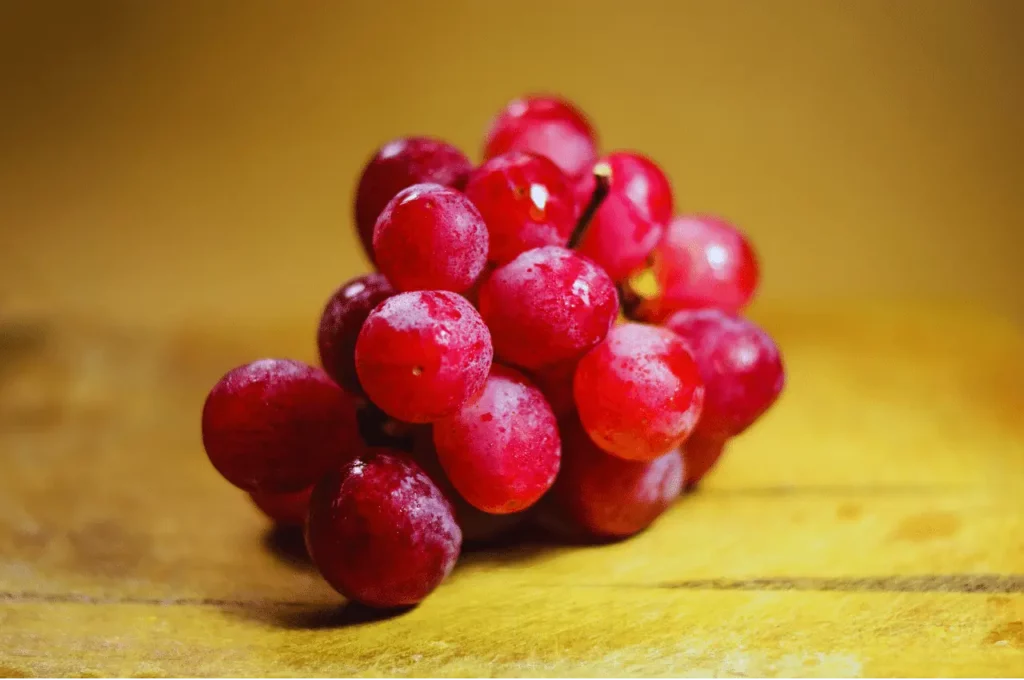
Grapes and raisins might seem like a healthy snack to you, but they are extremely toxic for dogs. Eating just a few can cause kidney failure in some dogs. Watch out for signs of vomiting or hyperactivity if your dog eats grapes or raisins, and keep this poisonous food for dogs far away from their reach.
- Toxicity: Can cause kidney failure
- Initial Signs: Vomiting, hyperactivity
- Immediate Action: Vet consultation
Avocado
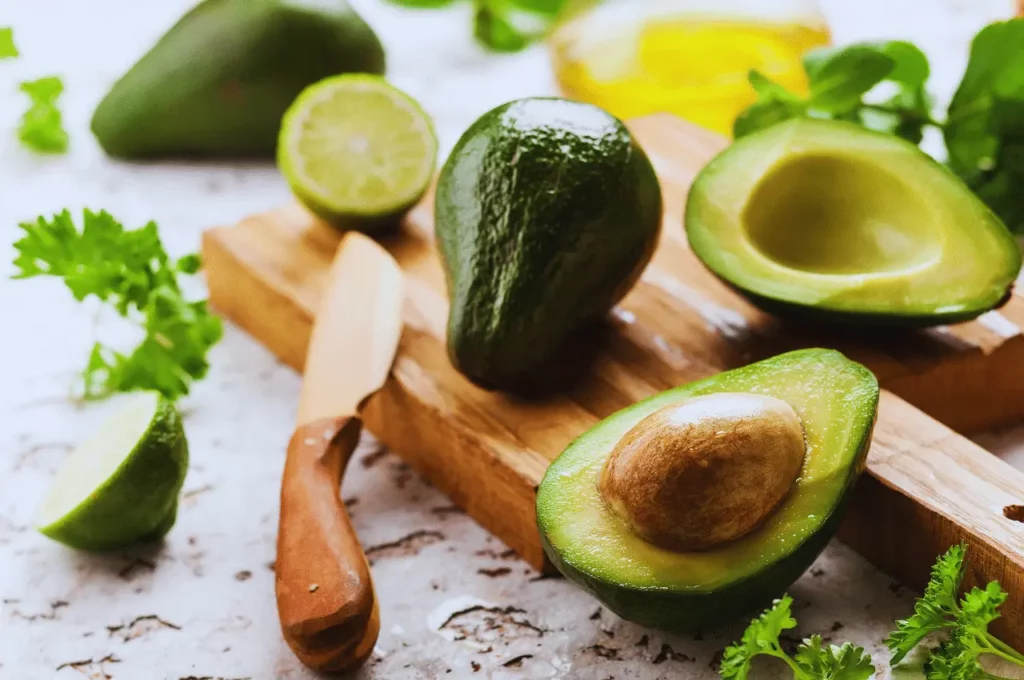
Avocado contains persin, which is toxic to dogs. While some dogs can eat avocado without issues, it’s best to err on the side of caution and avoid feeding this fruit to your dog. The consumption of avocados can lead to vomiting, diarrhoea, and myocardial damage. If your dog has eaten avocado and is showing symptoms, it would be wise to take them to the vet.
- Contains: Persin (toxic)
- Symptoms: Vomiting, diarrhoea
- Recommendation: No avocado for dogs
Remember, many of these foods are tempting to dogs, but it’s crucial to keep your dog safe by ensuring they are out of their reach. If you ever have doubts about what’s safe or if you suspect your dog may have eaten toxic food, calling the vet should always be your first step.
Specific Food Items
When looking for a canine-friendly snack, it’s crucial to keep your four-legged friend away from foods that can be highly toxic to dogs. It’s easy to think that a little treat from your plate won’t hurt, but even small amounts of the wrong food can be dangerous for dogs. Let’s dive into a few specifics you want to keep out of paw’s reach.
Bread Dough
Why is it dangerous?
Yeasts in bread dough can cause it to continue rising within your dog’s stomach, leading to bloat, a potentially deadly condition. The yeast fermentation process produces alcohol, which can lead to alcohol poisoning.
- Primary concerns when your dog eats bread dough:
- Bloat (distension of the stomach)
- Alcohol production leading to alcohol poisoning
What should you do?
If you think your dog has eaten bread dough, seek veterinary help immediately. Time is of the essence to prevent the dough from expanding in the stomach.
Bones
The risks with bones, especially cooked ones
Everyone’s seen dogs in cartoons happily chewing on a big bone. However, bones, particularly cooked bones, can be hazardous for dogs. Cooked bones can splinter and cause internal damage or obstructions.
- Hazards associated with bones:
- Choking hazard
- Risk of internal obstruction
- Potential to cause lacerations
What if your dog may have eaten bones?
Don’t wait for symptoms to appear. If you suspect your dog has swallowed bones, especially cooked ones, you must contact your vet immediately.
Remember, the list of poisonous foods for dogs extends beyond bread dough and bones. Be cautious about what tasty treats you give your dog, and keep your dog safe by learning about all the different human foods that could make your dog unwell.
Conclusion
Responsible pet ownership involves knowing what’s on the no-feed list. Are you aware of the common poisonous foods for dogs? Keep your four-legged friend safe by understanding what should never be on their menu!
- Chocolate: That bar of dark chocolate might be tempting to them, but chocolate contains a substance called theobromine. This is highly toxic to dogs, and even small amounts can lead to vomiting and more severe issues like seizures or kidney failure.
- Xylitol: Common in sugar-free gums and sweets, this artificial sweetener can cause your dog’s blood sugar to plummet and can also lead to liver failure. Vomiting is often the first sign, but it can escalate quickly. If you suspect your dog may have eaten something containing xylitol, call the vet immediately.
Remember these toxic foods for dogs, too:
| Toxic Food | Potential Symptoms |
|---|---|
| Grapes & Raisins | Vomiting, Diarrhoea, Kidney Failure |
| Macadamia Nuts | Tremors, Hyperthermia, Pancreatitis |
| Onion, Garlic, Leeks & Chives | Gastrointestinal upset, Red Blood Cell Damage |
Avocados might be all the rage for us, but they contain persin, which is toxic to dogs in large enough quantities. And although grapes and raisins may seem harmless, they can cause kidney failure.
The symptoms of poisoning can include vomiting, diarrhoea, and lethargy. If your dog eats one of these dangerous foods, a timely trip to the vet could be life-saving. If you ever find yourself thinking, ‘Has my dog eaten something toxic?’ It’s better to be safe and check with your vet.
Never let your dog eat foods that are unsafe for its consumption. Always keep an eye out for what your pooch might be snacking on, especially human food that can be toxic to dogs. Vomiting is often an early warning sign, but don’t wait for symptoms to worsen.
Being informed is key, so keep this list of poisonous foods for dogs handy, give your dog only safe foods, and maintain a close relationship with your vet to ensure your furry friend’s happiness and health! (2)
Frequently Asked Questions
As a dog owner, knowing which snacks and treats can put your furry friend at risk is crucial. In this section, you’ll find answers to common queries regarding foods harmful to dogs.
Which common human snacks can cause harm to dogs?
You might not realise it, but some snacks you love could be dangerous for your dog. Chocolate is a big no-no due to a toxic substance called theobromine. Also, keep your salty crisps and nuts, especially macadamia nuts, away from your pooch, as they can cause serious health issues.
Can you name some fruits and vegetables that aren’t safe for dogs to eat?
Not all fruits and veggies are safe for dogs. Grapes and raisins can lead to kidney failure, while onions and garlic can cause anaemia. Also, avoid avocados as they contain persin, which is toxic for dogs.
What symptoms should a dog owner look out for if they suspect food poisoning?
If you’re worried your dog has eaten something harmful, watch for vomiting, diarrhoea, excessive thirst, lethargy or a sudden behaviour change. Seizures and difficulty breathing are signs of a more severe reaction.
Are there any specific sweet treats dog owners should never feed their pets?
Aside from chocolate, you should never give your dog anything containing xylitol. This sweetener is often found in sugar-free sweets and gum and can be deadly to dogs, even in small amounts.
Could you list some foods that are often overlooked as dangerous for dogs?
Certainly! It might surprise you, but dairy can be problematic for dogs. While not all dairy is toxic, many dogs are lactose intolerant. Also, be wary of raw yeast dough, as it can expand in your dog’s stomach, causing pain and potential blockages.
What immediate steps should be taken if a dog ingests something toxic?
First, stay calm and determine what and how much your dog has consumed. Immediately call your vet or a pet poison helpline. Don’t induce vomiting unless instructed by a professional since it could make things worse. It’s best to have your dog examined as soon as possible.


