Call us: 07453 835039


How to Give Your Dog a Massage: Techniques for a Happy, Relaxed Pooch
Massaging your furry friend isn’t just an excellent way to bond; it can also provide numerous health benefits for your dog. If you’re interested in learning how to massage your dog, it’s essential to understand the proper techniques to ensure your pet’s comfort and well-being.
Like humans, a gentle massage can help your dog relax, reduce stress, and increase circulation. But before you begin, it’s crucial to be aware of your dog’s anatomy and understand how much pressure is appropriate to apply to avoid discomfort.
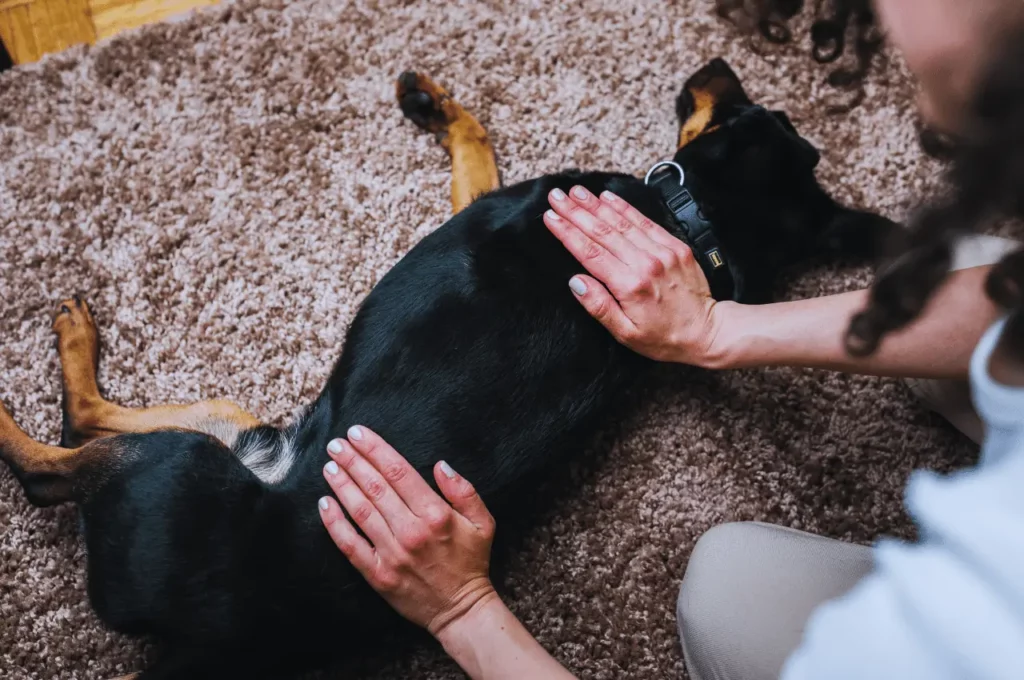
When starting, find a comfortable spot where your dog can lie. Speak calmly and use gentle motions as you slowly stroke your dog from head to tail.
Please pay special attention to how your dog reacts to the massage to ensure it’s happy and relaxed rather than showing any signs of distress or discomfort. If your dog doesn’t seem to enjoy the massage at any point, don’t worry. Stop the session and try again later.
Your dog’s relaxation should be at the heart of the massage experience. Work your way from the neck to the base of the tail and back to the limbs, using soft strokes and light kneading. This isn’t a deep tissue massage, so always use low pressure. (1) (3)
Key Takeaways
- Learn how to massage your dog to promote relaxation and strengthen your bond.
- Use gentle pressure and massage techniques suitable for your dog to ensure comfort.
- Observe your dog’s reactions to tailor the massage for a calming and stress-reducing experience.
How to give your dog a massage
Massage can be just as beneficial for your furry friend as it is for you. By learning how to give your dog a massage, you’re not only enhancing your bond but also supporting their wellbeing.
What Is Canine Massage?
Canine massage is the therapeutic practice of applying gentle pressure to a dog’s muscles and joints. This can range from gentle strokes to more specific techniques to relieve muscle tension.
- Technique Overview:
- Strokes: Light, smoothing touches to the coat and superficial muscles.
- Kneading: Gently working deeper tissues to enhance circulation.
- Circular Motions: Rotate your fingers to stimulate specific points.
When considering dog massage therapy, you should apply gentle pressure without causing discomfort. Always observe your pet’s reaction; if they growl or flinch, they may not enjoy the massage, and it’s best to try again later. Learning to massage your dog involves understanding where to apply pressure and when to use a lighter touch to make the experience relaxing and enjoyable.
Why Massage Your Dog?
Are you aware of dog massage therapy’s amazing benefits to your dog’s life? Here’s why it’s worth learning how to massage your loyal companion:
- Health Benefits:
- Boosts immune system
- Enhances lymphatic drainage
- Relieves sore muscles and arthritis
- Wellbeing:
- Reduces stress and anxiety
- Promotes relaxation and calm
- Increases bonding between you and your pet
- Physical Assistance:
- It helps improve the range of motion
- Supports recovery from injuries
Remember, certified canine massage therapists exist for a reason. While it’s great to try at home, dog massage therapy does involve knowledge of dog anatomy, and massage doesn’t replace veterinary medicine. Begin learning to give your dog a gentle massage by using the flat palm of your hand and follow up with more advanced dog massage techniques as you both become more accustomed to the process and enjoy the massage together.
Whether to ease your pup’s sore back legs after a long run or to provide a cosy paw massage that helps them feel calm and relaxed, a gentle massage can be one of the best ways to help your dog feel happy and loved.
The Massage Techniques
Before you massage your dog, familiarise yourself with a few essential techniques to ensure your pet enjoys the experience and reaps the benefits. Remember, never apply too much pressure and pay close attention to your pup’s body language to gauge its comfort level. (2)
Effleurage (Gentle Stroking)
Effleurage is a series of gentle strokes that help warm up your dog’s muscles. Begin with the palm of your hand on your pet’s head or neck, slowly stroke down its back towards the tail, and use low pressure to ensure your dog remains calm and relaxed. If your dog seems to enjoy the sensation and appears happy and relaxed, you’re on the right track.
- How to Perform Effleurage
- Start at the head or neck.
- Use the flat palm of your hand.
- Pressure: Gentle
- Direction: Move towards the tail
- Result: Warms muscles, helps your dog feel calm
Petrissage (Kneading)
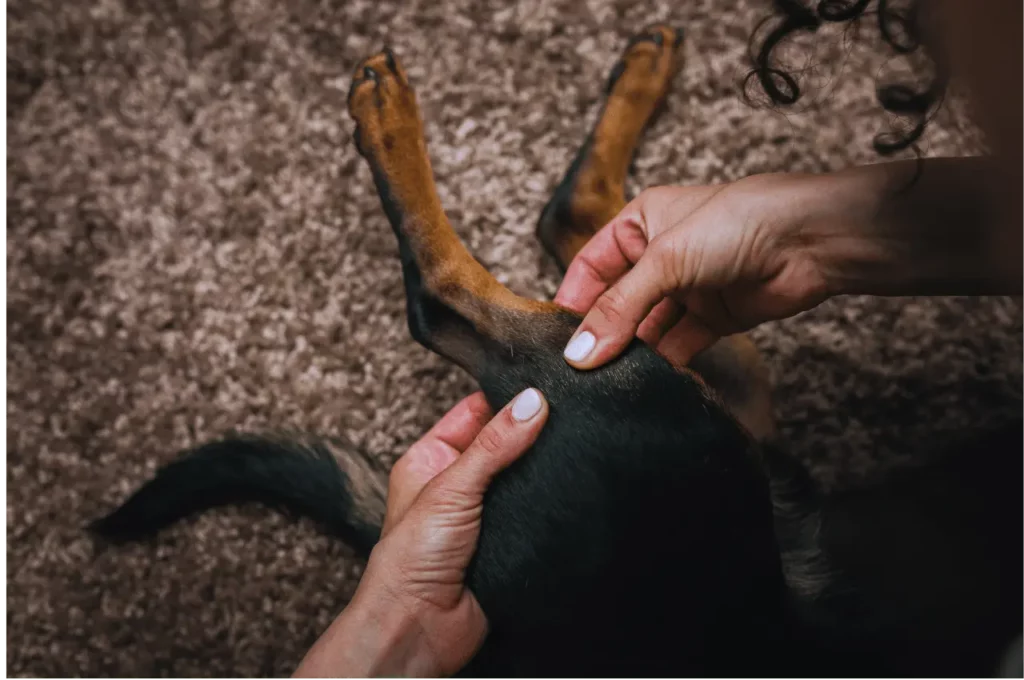
Petrissage involves a deeper touch and can help alleviate muscle tension. Carefully knead your pet’s muscles with the base of your palm or fingertips. Petrissage is best suited for the main muscle groups, like those in the legs and along the side of the spine. Kneading the muscles can also help improve circulation in these areas.
- Kneading Technique
- Use the base of your palm or fingertips.
- Focus Areas: Legs and sides of the spine
- Purpose: Reduce muscle tension
Tailored Approach
Every dog is unique, and so should the massage technique you use. A certified professional would consider your canine’s anatomy, medical history, and conditions like arthritis or sore muscles. When massaging your dog, be mindful of the pressure you apply and avoid areas where your dog might be sensitive or touchy.
- Customising the Massage
- Considerations: Anatomy, medical history, sensitivity
- Adapt pressure to your dog’s needs
- Avoid: Sensitive spots where your pet may flinch or growl
Alleviating Joint Stiffness
For furry friends with arthritis or joint stiffness, especially in their back legs or paws, a gentle massage can help ease discomfort. Perform slow, circular motions around the affected joints and use gentle pressure to stimulate the area without causing any more pain. Remember not to press too hard; if your dog doesn’t like it, stop and try again later.
- Easing Stiff Joints
- Gentle, circular motions
- Apply gentle pressure
- Location Focus: Paws and back legs
- Goal: Enhance range of motion and relieve pain
Conclusion
Massaging your dog is a technique that can foster a strong bond between you and your pet while promoting their overall well-being. Remember:
- Location matters: Find a quiet area in your neighbourhood for this relaxing session.
- Start from the neck: Gently work your way down with gentle pressure.
As you become proficient, you might massage your dog up to 31 times a month. However, start with fewer sessions and consult a canine massage therapist or dog trainer for technique guidance.
- Pressure: You should feel good; if your dog growls, you’ve applied too much pressure.
- Movements: Long strokes for relaxation; circular motions to knead.
- Special care: Address sensitive areas like paws, but never perform deep tissue massage without training.
A regular, soft pet massage can provide relief for dogs with arthritis. Keep the pressure light to avoid discomfort.
When you massage your dog, it’s as much about the experience as the technique. Observe how your dog responds to your touch and adapt. Maybe one day you’ll master the canine version of the “neck rub” that is so popular among humans!
Remember, while massage offers many benefits, it’s not a panacea. Always prioritise veterinary advice, especially for specific conditions like arthritis.
By incorporating these practices, you will make your pet feel cherished and boost its happiness and health. Isn’t that worth a try?
Frequently Asked Questions
Before we start, know that massaging your furry friend can have numerous benefits. Let’s address some common queries so you can spoil your pooch with relaxing rubs!
What are the best techniques for massaging a dog to help with sleep?
To help your dog drift into dreamland, use slow, gentle strokes along their body. Please pay special attention to behind their ears, under their chin and along their back. This can lower their heart rate and ease them into a restful slumber.
Can you show me a diagram of key points for giving a dog a massage?
Currently, I can’t provide diagrams or images, but imagine your dog’s body divided into sections: neck, shoulders, back, hindquarters, and legs. Focus on each area, using circular motions and long strokes, applying gentle pressure to avoid discomfort.
Are there any recommended videos that guide me through massaging my dog for anxiety relief?
Yes, there are several instructional videos online. Look for those created by canine massage specialists or veterinarians. They often feature step-by-step guidance and showcase techniques to calm an anxious pooch.
Could you provide tips on how to massage a dog who has arthritis?
Certainly! For a dog with arthritis, massage around the affected joints with light pressure to stimulate blood flow and ease discomfort. Avoid direct pressure on inflamed joints, and consider warming your hands before starting the massage.
What are some practical methods for massaging my dog’s legs?
Start with the paws, gently squeezing each toe, and work up with soft strokes. Use your thumbs to massage in a circular motion along their legs gently. This can help stimulate circulation and relax any tension.
How can I tell if my dog enjoys being massaged?
Your dog will likely show signs of relaxation, such as a soft gaze, sighing, and falling asleep. If it moves away or shows signs of discomfort, it might not be in the mood for a massage, and it’s best to respect its boundaries.


