Call us: 07453 835039


How to Get Rid of Fleas on Dogs: Effective Treatments and Prevention Tips
Dealing with fleas can be a real headache for any dog owner. Have you ever wondered how these tiny parasites manage to turn your pet’s life upside down? Understanding the life cycle of fleas is the first step in tackling an infestation.
Knowing that an adult flea can lay between 40-75 eggs a day is quite alarming. But how exactly do you get rid of fleas on dogs, especially when they’re determined to stick around?
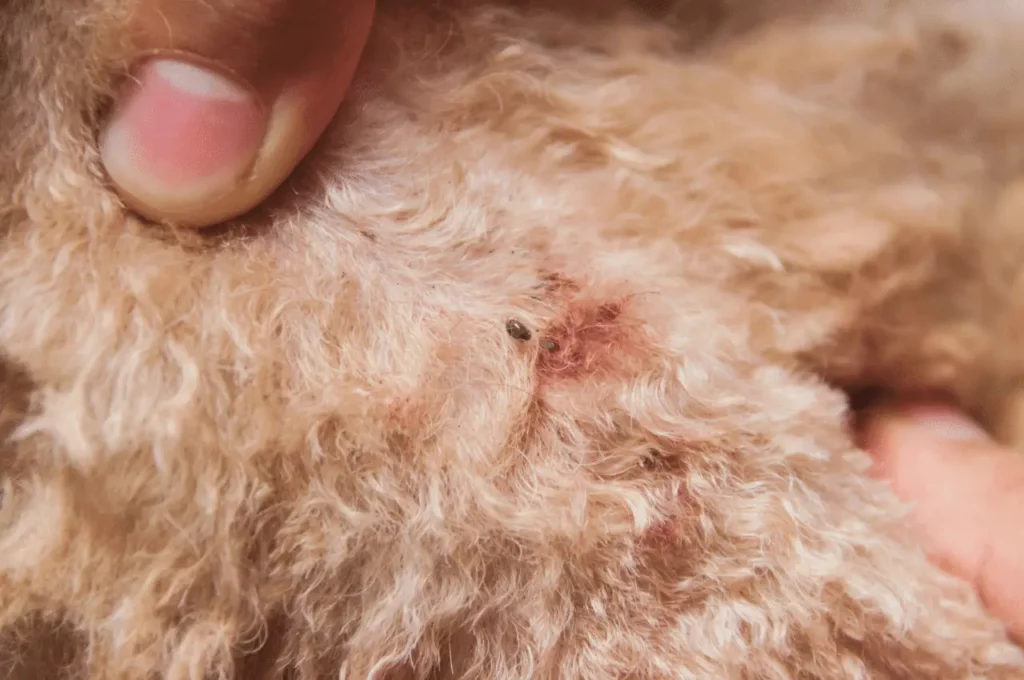
If your furry friend can’t stop scratching and you’ve caught sight of flea dirt in their fur, it’s a clear sign of an unwelcome flea invasion. You’re likely asking, “How do I get rid of fleas on dogs fast?” Well, you’ll be glad to know there are effective ways to kill fleas and give your pet some relief.
Solutions range from shampoos and combs specifically designed to remove fleas to advice from a vet on flea treatments and preventatives like collars and topical applications.
Regularly combing your dog’s fur and washing their bedding can drastically reduce the flea population in your home. Moreover, all these methods will also play a part in maintaining a flea-free environment for your pet and home.
Key Takeaways
- Fleas can lay dozens of eggs daily, creating a need to know how to get rid of fleas on dogs effectively.
- Successful flea control involves a combination of on-pet treatments and environmental management.
- Consulting with your vet for appropriate flea treatment ensures the safety and health of your pet.
Understanding Fleas
Before you can conquer the pesky invaders known as fleas, it’s crucial to know your enemy. Understanding the basics of their lifecycle and behaviours will give you the upper hand in the battle to keep your dog happy, healthy and flea-free.
Flea Facts
Flea Species: It’s interesting to know that there are more than 2,500 flea species out there. The ones most often bugging your pooch are Ctenocephalides felis, or the cat flea, and less commonly, the dog flea, Ctenocephalides canis. The names might be confusing, but cat fleas are the main culprits for cats and dogs.
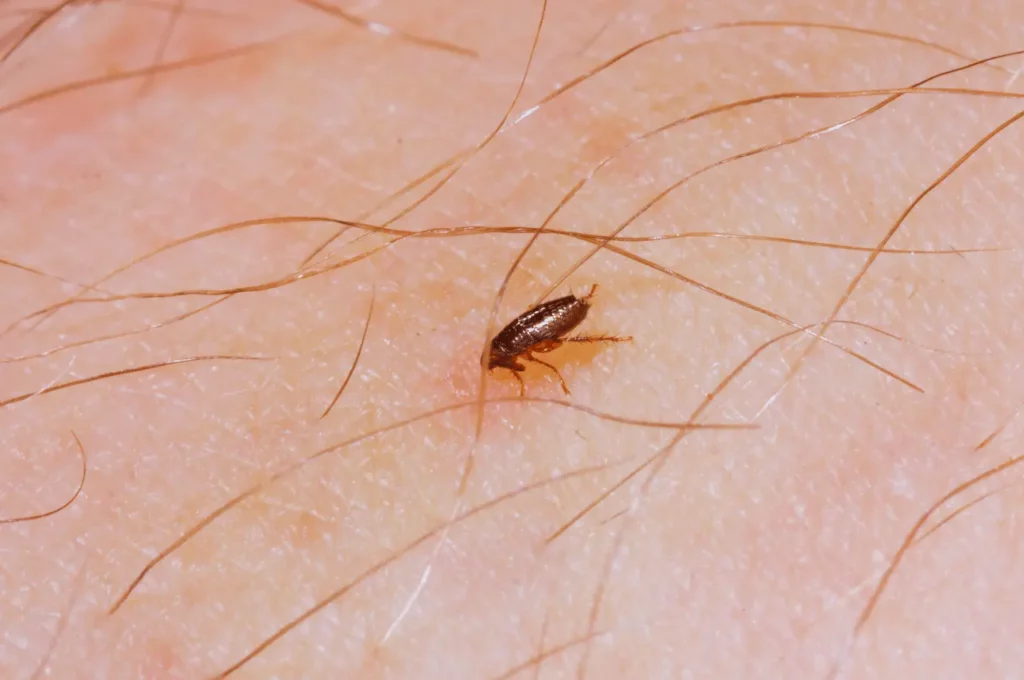
Life Cycle: Fleas have a four-stage life cycle: egg, larva, pupa, and adult. Adult fleas, which are merely 2mm long, lay eggs in your dog’s fur. These can fall off onto your carpets or bedding. The eggs hatch into larvae, which feed on organic matter like the so-called ‘flea dirt’ (a nice way of saying flea poop) in your pet’s fur. The larvae eventually turn into pupae and then into adult fleas, ready to jump, bite, and start the cycle all over.
Hosts & Blood Loss: Fleas are very particular about their diet: they only drink blood. A flea can consume up to 15 times its body weight in blood daily, leading to significant blood loss for your pet, especially in severe infestations.
Disease: Besides being an itchy nuisance, fleas can transmit diseases. They’re known vectors for tapeworms and can also cause flea allergy dermatitis. A scratching frenzy isn’t just uncomfortable and can lead to skin infections.
Human Interaction: No one is safe; fleas can jump 40-75 times their body height and happily make your acquaintance, though they prefer four-legged hosts.
Treatment Challenges: Getting the upper hand isn’t just about killing adult fleas. You’ve got to reckon with those eggs and larvae, too. This is why using a flea treatment targeting all life stages is important.
To start the fight on how to get rid of fleas on dogs, combine your efforts with regular vet visits and ask about the best flea treatment options. A solid strategy will involve a combo of products such as flea shampoos, systemic oral treatments, spot-on topicals, and maybe even a trusty flea collar.
The battle against fleas is multifaceted: clean your pet’s environment, like bedding and carpets, regularly, comb your dog’s fur with a flea comb, and attack those pesky parasites from all angles. It might sound like a lot of effort, but when it comes to comfort and health, your furry friend is worth every bit. Keep your humour about you, and remember, with the right info and tools, you can be the superhero in this story—cape optional. (2)
Identifying Flea Infestations
Spotting those pesky fleas on your dog can often be a tell-tale sign of a bigger problem—flea infestation in your home. Don’t worry; we’ve got the scoop on how to suss it out and get your furry friend itch-free.
Signs Your Pet Might Have Fleas
Have you ever noticed your pooch scratching a bit too much? It could be more than just a passing itch. Here’s what to look out for:
- Excessive scratching, biting, or licking: If your dog is always at it, they might have fleas.
- Hair loss: Places where fur seems thinner? Fleas might be feasting there.
- Red patches or irritation: These reveal your pet’s battle with the bitey blighters.
- Flea dirt: Tiny black specks in your dog’s coat or bed? That could be flea faeces—yuck!
These symptoms are not just uncomfortable—they’re a clarion call to act swiftly. If your pet’s acting out these signs, it’s likely your pet has fleas, and it’s time to tackle the issue head-on. (3)
Grooming and Detection
The key to catching these critters is keen observation and regular grooming. Here’s a simple guide to turn you into a flea detective:
- Get a flea comb: It’s specially made for dogs to extract those sneaky fleas.
- Regular checks: Comb your pet’s fur and look for fleas or flea dirt, particularly after walks or playtimes with other pets.
- Clean house: Regularly vacuum your home, especially pet beds and carpets, because fleas can leap onto your dog from practically anywhere.
Seeing fleas on your dog or discovering flea dirt is a surefire way to know it’s time to eliminate fleas on dogs. And remember, a clean pet and home go hand in hand in the fight against fleas.
How to get rid of fleas on dogs using Flea Treatment
Effective flea treatment for dogs involves a combination of pet treatment, environmental control, and proactive measures. With consistency and the right products, your dog can be free from these bothersome parasites.
Pet Treatment
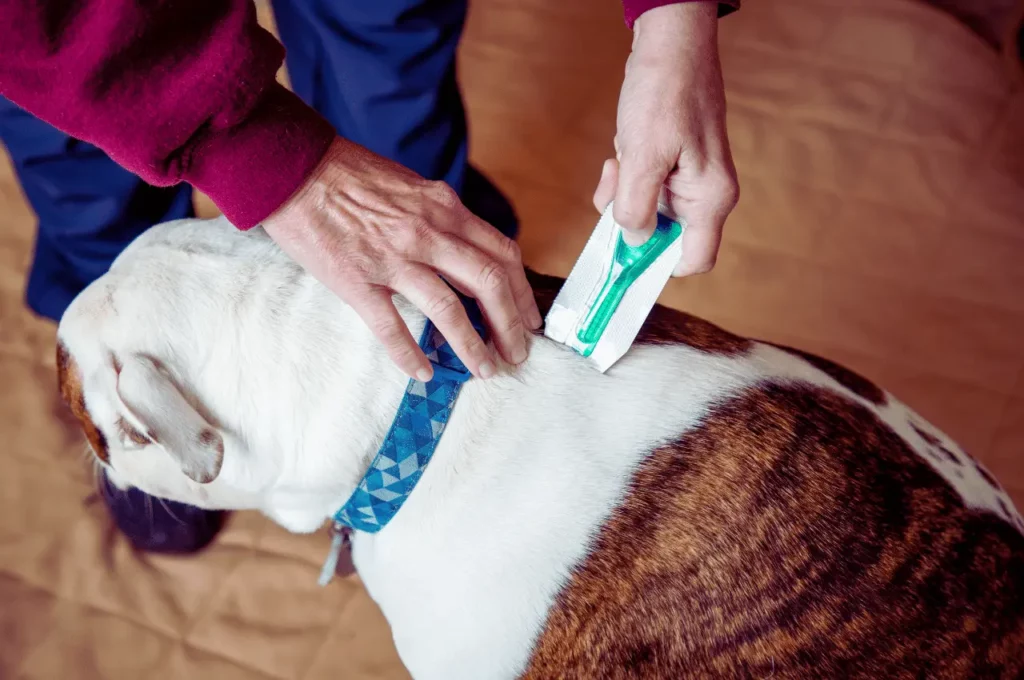
First things first: treating your pet. Your vet can recommend various flea treatments, including topical solutions, flea collars, and oral medications. Prescription treatments tend to be more potent than non-prescription options. Have you noticed your four-legged friend scratching more than usual? It might be time to kill fleas and break the life cycle of these pests. A regular flea shampoo during bath time can help eliminate dog fleas.
| Treatment Type | Function | Frequency of Use |
|---|---|---|
| Topical Solutions | Kills adult fleas and larvae | Once a month |
| Flea Collars | Repel and kill fleas over time | Replace as directed |
| Oral Medications | Prevent flea infestations from the inside out | Monthly or as prescribed |
Environmental Control
To get rid of fleas on dogs, it’s essential to tackle their environment. Frequent vacuuming can remove flea eggs and larvae from carpets and furniture. Wash your pet’s bedding weekly, and consider using a flea spray specifically designed for your home. Remember, if a flea can jump onto your dog, it can also jump onto your sofa!
- Vacuum: Carpets, furniture, and pet beds regularly.
- Wash: All bedding and fabric your pet comes in contact with.
- Flea Spray: Safe for use on furniture and around the home.
Apple Cider Vinegar Solution
Want a natural approach? An apple cider vinegar solution may not kill adult fleas, but it can repel them due to its acidic nature. Mix vinegar with one part water and spray it onto your dog’s fur. Avoid any open cuts, and don’t forget to check with your vet before trying this at home!
Regular Checks
Staying vigilant is critical. Use a flea comb to spot fleas and flea dirt on your dog’s fur. Keep a bowl of soapy water nearby to drown any fleas you catch. Regular checks help you act fast if you see signs of a new infestation, preventing a more significant problem.
- Comb: Daily during flea season.
- Inspect: After walks or contact with other dogs.
Let Your Pet Groom Itself
Dogs naturally groom themselves, which can help control and remove fleas. However, if your dog is allergic to flea bites, grooming can lead to over-scratching. In such cases, products like flea prevention items, vet-approved shampoos, or even grooming appointments might be necessary. Encouraging your dog to groom and lending a hand with a brush can be part of the line of defence against fleas.
Case Studies and Examples
When getting rid of fleas on dogs, real-world examples and vet-approved products can illustrate the most effective strategies. These cases highlight the importance of using targeted treatments and preventative measures.
Case Study 1
Bob, a Border Collie, was persistently scratching, a common sign indicating likely your pet has fleas. A detailed combing revealed flea dirt – tell-tale specks of black, which are actually flea faeces. A vet consultation provided a prescription for a spot-on flea treatment designed to kill adult fleas and break the life cycle. Within a month, using proactive flea prevention measures, Bob was flea-free.
Preventative Steps Taken:
- Regularly used vet-recommended flea treatment
- Frequent washing of Bob’s bedding
- Thorough cleaning of carpets and the home
Case Study 2
Sophie, a Golden Retriever, had a severe flea infestation marked by patches of fur loss. The vet’s examination showed that she was allergic to flea saliva. Immediate action was taken with a prescription-strength flea shampoo and a topical treatment. Her environment was also treated with a spray to tackle eggs and larvae. With consistent monthly treatments, Sophie experienced lasting relief from fleas.
Measures for Control:
- Immediate application of flea shampoo
- Introduction of a prescription topical treatment
- Environmental control to kill fleas on dogs and prevent their return
Example Product Recommendations
When it comes to selecting a product for how to get rid of fleas on dogs, here are some vet-recommended options:
Spot-On Treatments:
- Advantage: Kills fleas on contact without needing them to bite your dog.
- Frontline Plus: Kills fleas and ticks within 24 hours, with protection lasting up to 4 weeks.
Oral Medications:
- NexGard: A chew that kills fleas before they can lay eggs, also protecting against ticks.
- Bravecto: Provides up to 12 weeks of protection against fleas and ticks.
Flea Collars:
- Seresto: Offers up to 8 months of continuous protection from fleas and ticks.
- Scalibor Protector Band: Protects against fleas for up to 6 months.
Frequently Asked Questions
Seeking guidance on how to banish those pesky fleas from your dog’s coat and your living space? You’re in the right spot. Below, we tackle some of the common questions dog owners ask when they’re waging the flea battle.
What are the best natural remedies to tackle fleas on my pooch?
Apple cider vinegar and lemon juice are often hailed as natural solutions for keeping fleas at bay due to their acidic nature. A dilute mix can be sprayed onto your dog’s fur, avoiding the eyes and nose. Herbal flea sprays from oils like lavender or eucalyptus may also help repel fleas. However, it’s essential to check with your vet, as natural doesn’t always mean safe.
If commercial products fail, what other strategies can I use against fleas?
Vacuuming can physically remove fleas, larvae, and eggs from carpets and furniture. Wash your dog’s bedding and your own in hot water. Diatomaceous earth can be spread on carpets to dehydrate fleas. Again, consult your vet before trying DIY measures, especially if products have failed, as it may be a sign of a resistant infestation.
Can I get fleas from my dog, and how can I prevent it?
Fleas can and will leap from your dog onto you. Preventing an infestation involves regular use of flea treatments for your pet, frequent cleaning and vacuuming of your home, and treating areas where your dog spends time. Keep an eye out for flea dirt or actual fleas in your dog’s fur to catch an outbreak early.
My house is infested with fleas because of my dog. How do I eradicate them speedily?
For quick action, use a combination of laundering, vacuuming, and commercial sprays or foggers designed to kill adult fleas and halt the life cycle of the larvae. Professional pest control services can provide a more robust solution for severe infestations. Take measures to treat your pet simultaneously to avoid re-infestation.
How swiftly can I expect my dog to be flea-free with the proper treatment?
When you start the proper treatment, results can be seen relatively quickly, often within a day, when you begin to see fleas dying off. Keep in mind that the entire life cycle of the flea can last several weeks, so ongoing treatment and housekeeping efforts are essential to halt the infestation in its tracks. Remember, if you’re unsure about how to get rid of fleas on dogs, your vet is always the best source for advice and treatment options.


