Call us: 07453 835039


How to Remove a Tick from a Dog: Safeguarding Your Pet’s Health
Have you ever spotted a tiny critter clinging to your furry friend and realised it’s a tick? Knowing how to remove a tick from a dog is essential for any pet owner. Ticks can transmit diseases such as Lyme, which can have profound health implications for you and your dog.
It’s vital to act quickly to minimise the risk of disease transmission, and the good news is the process is relatively straightforward.
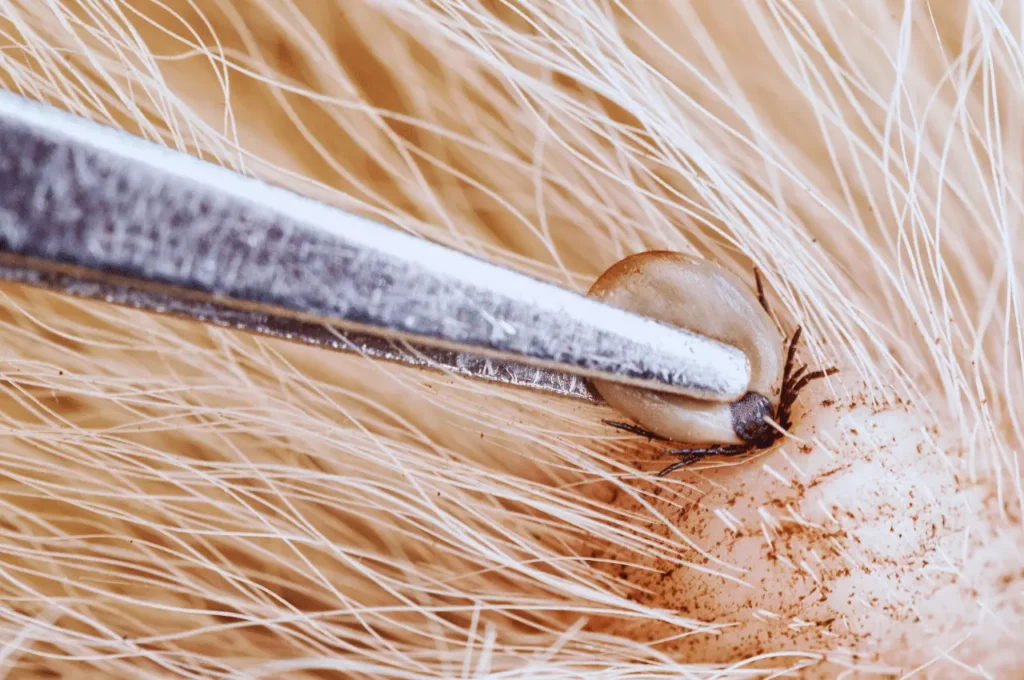
The first step is to stay calm; your dog may sense your anxiety and become stressed. You’ll need a pair of tweezers or a tick remover to get the job done correctly. Approach the tick as close to your dog’s skin as possible, ensuring you grip the tick’s body, not just the head.
Ticks should be pulled straight out steadily to avoid leaving any part behind in your dog’s skin. After removal, clean the bite area with soap and water or isopropyl alcohol, and monitor your dog for any unusual signs of illness. It’s also a good idea to wash your hands thoroughly. (1) (3)
Key Takeaways
- Quickly and correctly removing ticks from your dog minimises the risk of disease transmission.
- Use tweezers or a specialised tick removal tool to grasp the tick as close to the skin as possible.
- After removal, clean the area and your hands, and watch your dog for any subsequent signs of illness.
Understanding Ticks: how to remove a tick from a dog
Before we discuss how to remove a tick from your dog, it’s essential to understand ticks, how they develop, and where they’re most likely to attach themselves to your furry friend.
What Are Ticks?
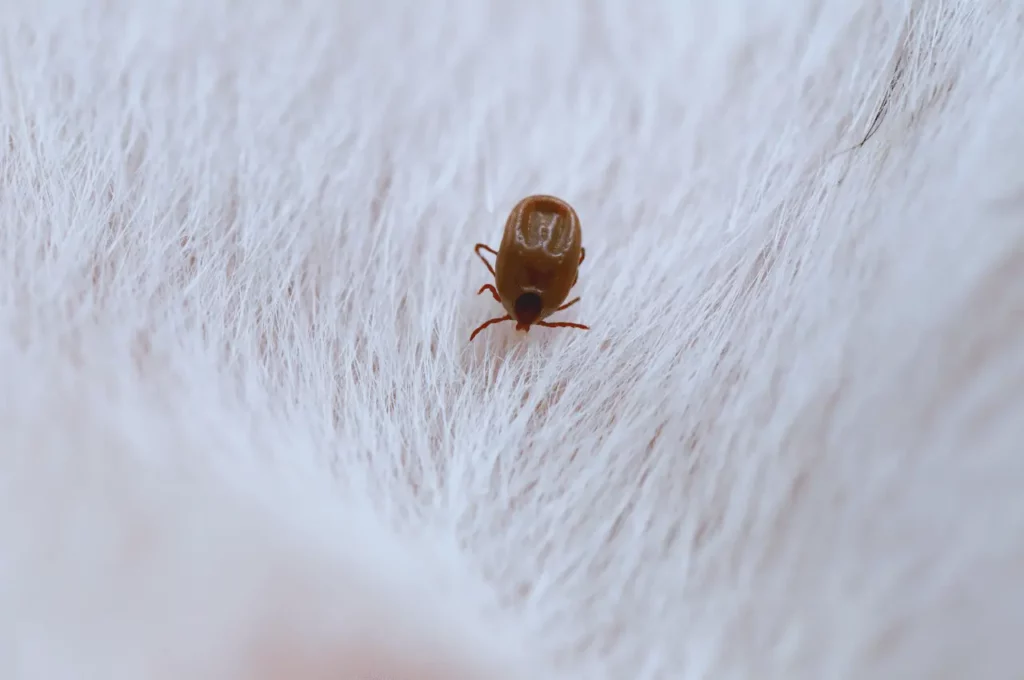
Ticks are tiny, spider-like parasites that feed on the blood of animals, including dogs. They’re found outdoors worldwide, particularly in woodland and grassland areas with access to wildlife hosts. Knowing that ticks can transmit infectious organisms, such as the bacteria that cause Lyme disease, highlights the importance of tick prevention and why removing ticks from your dog as promptly as possible is crucial.
Life Stages and Size Variations
Ticks undergo four life stages: egg, larva, nymph, and adult, growing slightly more prominent at each stage. The size of a tick can vary from the head of a pin in its larval stage to a sunflower seed as an adult. When a tick feeds, its body swells with consumed blood, increasing up to 67 times its original weight, which makes it easier to spot and remove from your dog.
- Egg: Tiny and not parasitic.
- Larva: Has six legs and is about the size of a grain of sand.
- Nymph: Has eight legs and is about the size of a poppy seed.
- Adult: Full eight legs and size varies depending on feeding.
Standard Attachment Areas on Dogs
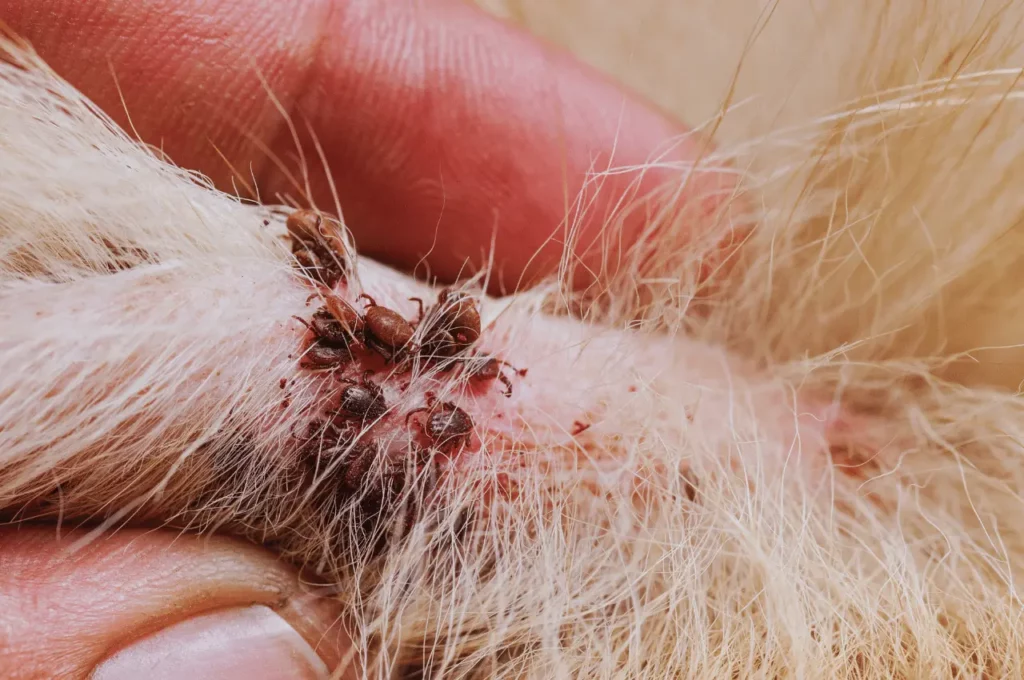
Ticks are sneaky critters that like to hide in hard-to-see places. When trying to remove a tick from a dog, check these common spots thoroughly:
- Ears: Inside and around, including the ear canal.
- Underneath the Collar: A favourite hideout, out of sight.
- Between the Toes: Cozy and warm, perfect for a tick.
- Groin Area: Less fur means easier access.
- Under the Tail: Ticks can latch onto the skin near the base and underneath.
Remember, after removing a tick from your dog, always wash your hands with soap and water, dispose of the tick in isopropyl alcohol, and watch for any signs of illness in your pet. Contact your vet immediately if your dog shows signs or the bite area seems infected. Regular tick checks and prompt removal are your best defence in keeping your dog tick-free.
Prompt Removal and Why It’s Crucial
When you spot a tick on your dog, it’s crucial to know how to promptly remove a tick from a dog. Delaying can increase the risk of disease transmission and infection. Your dog’s health could be at serious risk, so let’s understand why it’s essential to act swiftly.
Risks of Tick Attachment
Ticks are not just a nuisance; they can seriously threaten your dog’s health. The risks associated with tick attachment include:
- Disease Transmission: Ticks can transmit various diseases, such as Lyme disease, ehrlichiosis, and babesiosis. The longer a tick is attached, the higher your dog’s risk of contracting these illnesses. Lyme disease alone can show symptoms ranging from fever and swollen joints to decreased appetite.
- Localised Infection: In addition to disease, the bite area can become infected. If not removed correctly, parts of the tick can be left behind in your pet’s skin, leading to redness, swelling, and infection.
Preventing Infections
The goal is to remove a tick from your dog quickly and safely. Here’s your step-by-step guide:
- Prepare: Wash your hands, get a good pair of tweezers, isopropyl alcohol, and gloves if you prefer.
- Grasp: Using the tweezers, grasp the tick as close to your dog’s skin as possible to ensure you get the head of the tick.
- Pull: In a steady motion, pull the tick from your dog’s skin. Avoid twisting or crushing the tick to reduce the risk of leaving parts behind or squeezing pathogens into the bite.
- Disinfect: Clean the bite area with soap and water and apply isopropyl alcohol. Please dispose of the tick by placing it in alcohol or flushing it down the toilet.
- Follow-up: Watch your dog for signs of illness and contact your vet for concerns. Also, wash your hands thoroughly after the tick removal.
Knowing how to effectively remove a tick from a dog can spare your canine friend from unnecessary pain and reduce the chances of tick-borne diseases. Be vigilant and check your dog regularly, especially after walks in the woods or grassy areas. Your prompt action can make all the difference!
Tick Removal Techniques
When your furry friend has an unwelcome visitor, you must know how to remove a tick from a dog quickly and safely. Let’s get right to the nitty-gritty and tackle those pesky ticks!
Using Fine-Tipped Tweezers
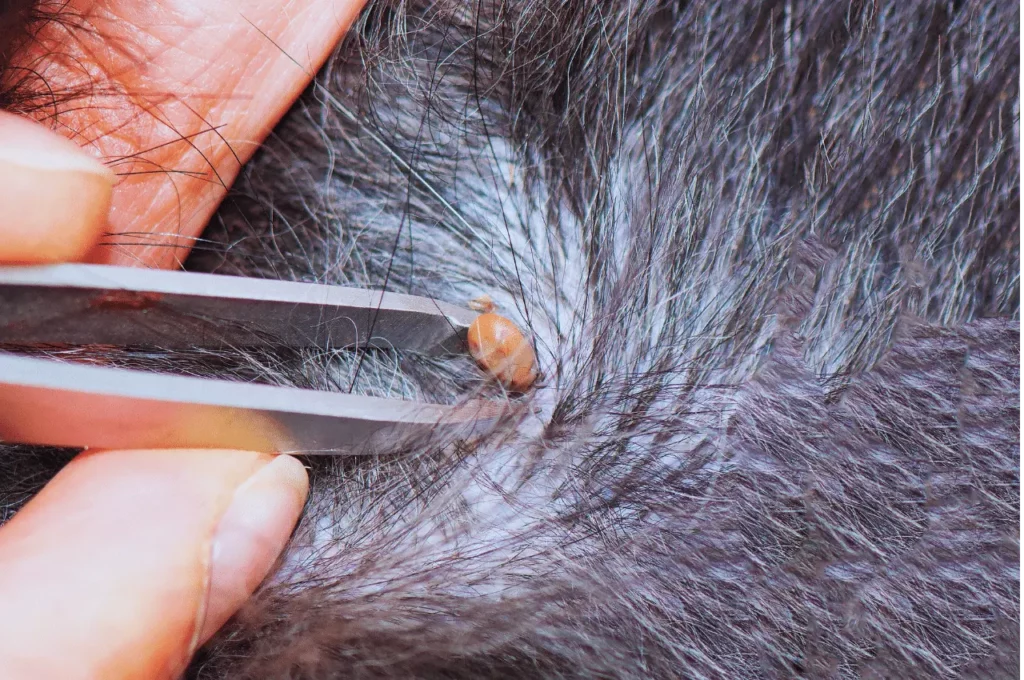
To remove a tick from your dog with fine-point tweezers, grasp the tick as close to the skin’s surface as possible. Pull upward with steady, even pressure—jolting or twisting could cause parts of the tick to break off and remain in the skin, potentially leading to infection.
- Steps to use tweezers:
- Clean the tweezers with isopropyl alcohol.
- Use tweezers to pinch the tick to your dog’s skin carefully.
- Pull the tick out steadily; avoid twisting or squeezing too hard.
After the tick removal, always disinfect the bite area and your hands. Over the next few weeks, watch your dog for any signs of Lyme disease or other tick-borne illnesses.
Tick Removal Devices
If tweezers aren’t your go-to, special tick-removal tools are designed to make the job easier. Using a tick removal tool, you can slide the device under the tick, and with a little twist, it should come right out.
- Advantages of tick removal tools:
- They are designed to remove the tick without squeezing it.
- They can remove the tick quicker than traditional tweezers.
- Reduce the chance of leaving tick parts behind in your dog’s skin.
It’s a good investment if you live where ticks are common, ensuring you’re prepared to protect your pet from them swiftly.
Alternative Methods
Though the above methods are preferable, you might come across alternative techniques for removing a tick from a dog. Some suggestions include using a thread loop around the tick’s mouthparts or a drop of a substance to coax the tick out. However, many of these methods are not recommended as they may irritate the tick and cause it to release harmful saliva or regurgitate its stomach contents into your dog.
Remember:
- Never use a hot match or chemicals; they may cause the tick to burst.
- If unsure, it’s better to consult your vet for the safest way to remove a tick.
- Always dispose of the tick appropriately by dropping it in isopropyl alcohol or flushing it down the loo.
- Monitor the bite area for a few days to ensure it doesn’t become red or swollen. If it does, contact your vet.
So, check your dog for ticks next time you walk your dog or cuddle it. Early detection makes removing a tick from a dog a much simpler task!
Preventing Future Tick Bites
When you’ve figured out how to remove a tick from your dog, the next step is ensuring those pesky parasites don’t return. Let’s explore the best ways to keep your furry friend tick-free.
Tick Prevention Options
Insect Repellents: Sprays or topical treatments specially formulated for dogs can prevent ticks from latching onto your pet. Always opt for products designed for pets and follow the instructions in the letter.
Tick Collars: Collars impregnated with chemical preventatives can be effective for several months. They are a convenient option if your dog tolerates wearing them.
Spot-on Treatments: Apply these medications directly to your dog’s skin, typically between the shoulder blades. These treatments usually last a month and can help prevent ticks and fleas.
- Oral Medications: Pills or chewables can be given to your dog monthly. They work by making your dog’s blood lethal to ticks and fleas that bite your pet.
Environmental Control:
- Keep grass and bushes trimmed in your garden.
- Discourage unwelcome wildlife which may carry ticks by securing bins and not leaving food out.
- Consider treating outdoor areas with a pet-safe insecticide.
Always consult your vet for advice tailored to your dog’s specific needs.
Understanding Lyme Disease
Lyme disease is a tick-borne illness that can affect both pets and humans. It’s transmitted by the black-legged tick, also known as the deer tick, and less commonly by the American and brown dog ticks.
Symptoms in Dogs May Include:
- Loss of appetite and depression
- Swollen, painful joints
- Fever and exhaustion
- Occasional vomiting or diarrhoea
If you spot these symptoms or suspect Lyme disease after removing a tick from your dog, contact your vet promptly. Early treatment typically involves antibiotics and supportive care but catching it early is critical. Remember, prevention is better than cure, so take steps to prevent ticks and reduce the risk of Lyme disease for you and your pet.
Frequently Asked Questions
Tick encounters can be a touchy situation for any pet owner. Here’s how you can be a tick’s worst enemy and keep your pup tick-free.
What’s the best way to extract a tick from my dog using household items?
Have you got a tick on your furry pal? No worries! Your best mates in this battle are fine-tipped tweezers. Grip the tick as close to your dog’s skin as possible and pull upwards with steady, even pressure. Mind you, don’t twist or jerk the tweezers; this could leave mouth-parts of the tick in the skin.
Can I safely use Vaseline to remove a tick from my dog, or is there a better method?
While the old wives’ tale suggests slathering Vaseline on the tick could persuade it to detach, it’s not the wisest choice. Using tweezers is a more effective and immediate method for removing ticks, reducing the risk of transmitting nasties like Lyme disease.
Is it okay to use alcohol when trying to get a tick off my dog, and how should I do it?
You might think alcohol would make the tick legless, but it’s not the best removal method. Instead, use it to clean your trusty tweezers, then do a clean extraction. Once removed, disinfect the bite area and wash your hands.
What steps should I take next after successfully removing a tick from my canine companion?
Tick that off your list! Once you’ve removed the tick, clean the bite area with antiseptic and dispose of the tick. Keep an eye on your pup as you would for any signs of illness or a rash. If anything seems amiss, don’t hesitate to contact your vet.
What should I watch out for, signalling my dog might have a tick hiding in its fur?
Stay sharp! Regularly check your dog after walks, especially if you’ve romped through grassy or wooded areas. Telltale signs are bumps in the fur or your dog scratching more than a DJ at a rave. Don’t ignore these cues—inspect for ticks!
If a tick is found on my dog, should I attempt to remove it myself, or is it a job for the vets?
Arm yourself with confidence and your trusty tweezers! Removing a tick from a dog is typically a safe DIY job. But if the tick’s playing hardball or you’re unsure how to proceed, your vet’s expertise is a phone call away. Remember, you’re never alone in the quest to keep your dog tick-free.


